
Choosing the right school for your child is one of the most important decisions a family will ever make. It is natural for the search to generate uncertainty — to consult rankings, compare prices, or weigh up the distance from home. However, at International School Costa Brava we have observed that many parents prioritise secondary criteria and overlook what will truly make a difference to their child’s education.
What is the most common mistake?
Choosing a school with their eyes fixed on the present, without thinking about the person their child will become in the future.
Prioritising logistical convenience over the educational project
Proximity to home, drop-off times and fees are all legitimate considerations. But when they become the primary criteria, the educational project falls to second place — and it is precisely in the educational project where a school’s true value lies.
What values does the school instil? What methodology does it apply? How does it shape pupils beyond academic content? These are the questions that, over time, will make the real difference. As we explore in our article on learning in an international setting, the environment in which a child grows shapes the way they see the world.
Confusing appearances with educational quality
Modern facilities, smart uniforms or a polished website are not indicators of educational excellence. Equally, a high position in a ranking may not reflect what actually happens in the classroom.
Educational quality is measured in the relationships built between teachers and pupils, in how failure and error are managed, in whether children arrive at school eager or afraid. Emotional wellbeing at school is not a luxury: it is the foundation on which all learning is built.
Not considering your child’s future life stage
Many families choose a school thinking about the child they have today: a four-year-old, perhaps shy, who needs a great deal of warmth. But that child will be 10, 15 and 18, and what they learn in those intervening years will shape their possibilities as adults.
A school that nurtures global citizens, that builds autonomy, resilience and critical thinking, is a school that is thinking about the adult that child will become. At ISCB, this long-term vision shapes how we approach preparing students for university and for life.
Overlooking the role of the natural environment in learning
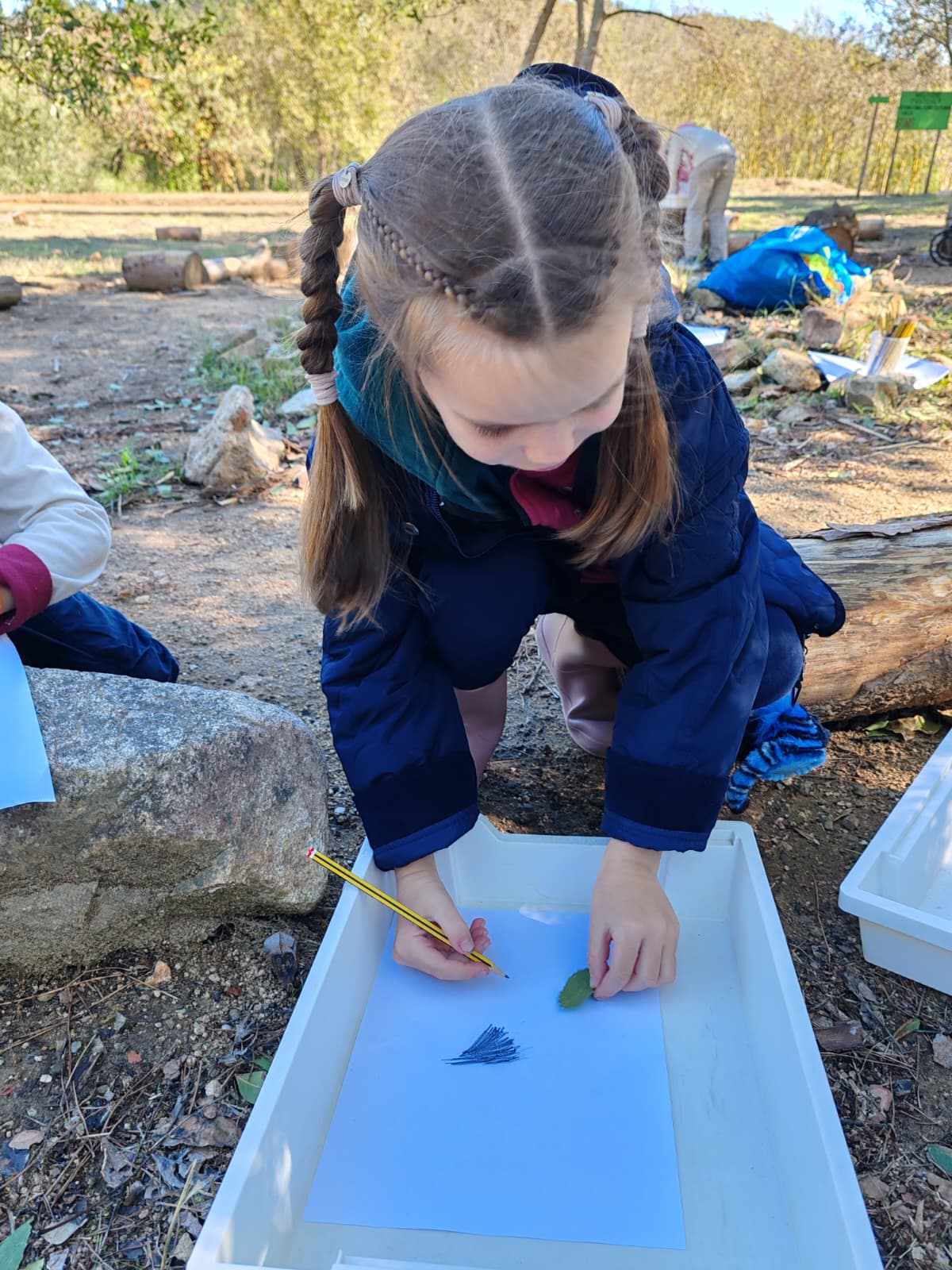
A school’s physical environment matters far more than is often considered. We are not simply talking about square metres: we are talking about whether children have space to run, explore and connect with nature.
At ISCB, contact with the natural environment of the Costa Brava is part of the curriculum, not an add-on. Through our Forest School programme, pupils learn outdoors in a structured way, with well-documented positive effects on cognitive performance, emotional wellbeing and creativity.
Not visiting the school or speaking with current families
One of the most correctable — and most common — mistakes is making a decision based solely on a website or general word of mouth. Nothing replaces seeing a school in action, speaking with its teachers and, above all, talking with families who are already part of the community.
At ISCB, we regularly hold information sessions so that families can discover the project first-hand, ask their questions and get a genuine sense of whether it is the right fit for their child. Do not miss this opportunity before making your decision.
Choosing a school is not just choosing where your child will learn.
It is choosing the environment in which they will grow as a person.
Would you like to make sure you are making the right decision? Find out about International School Costa Brava’s educational project and take the first step towards an outstanding education.
Frequently asked questions about choosing a school
Look beyond distance, schedules and fees. Consider the educational project, teaching approach, values and the way the school supports your child’s wellbeing and development.
Facilities are only one part of the picture. Look at teacher–pupil relationships, how mistakes are handled and whether children feel secure and motivated to learn.
Your child’s needs will change as they grow. Consider how the school develops independence, resilience and critical thinking and prepares pupils for later educational stages and adult life.
Outdoor space gives children opportunities to explore, move and connect with nature. At ISCB, outdoor learning is part of the curriculum through the Forest School programme.
Visit the school in action, meet its teachers and speak with current families. Ask questions about teaching, wellbeing and progression to understand whether it fits your child.
Explore International School Costa Brava’s educational project and arrange a private school visit to meet the team, see the learning environment and discuss your family’s questions.
